CNC Kiosk
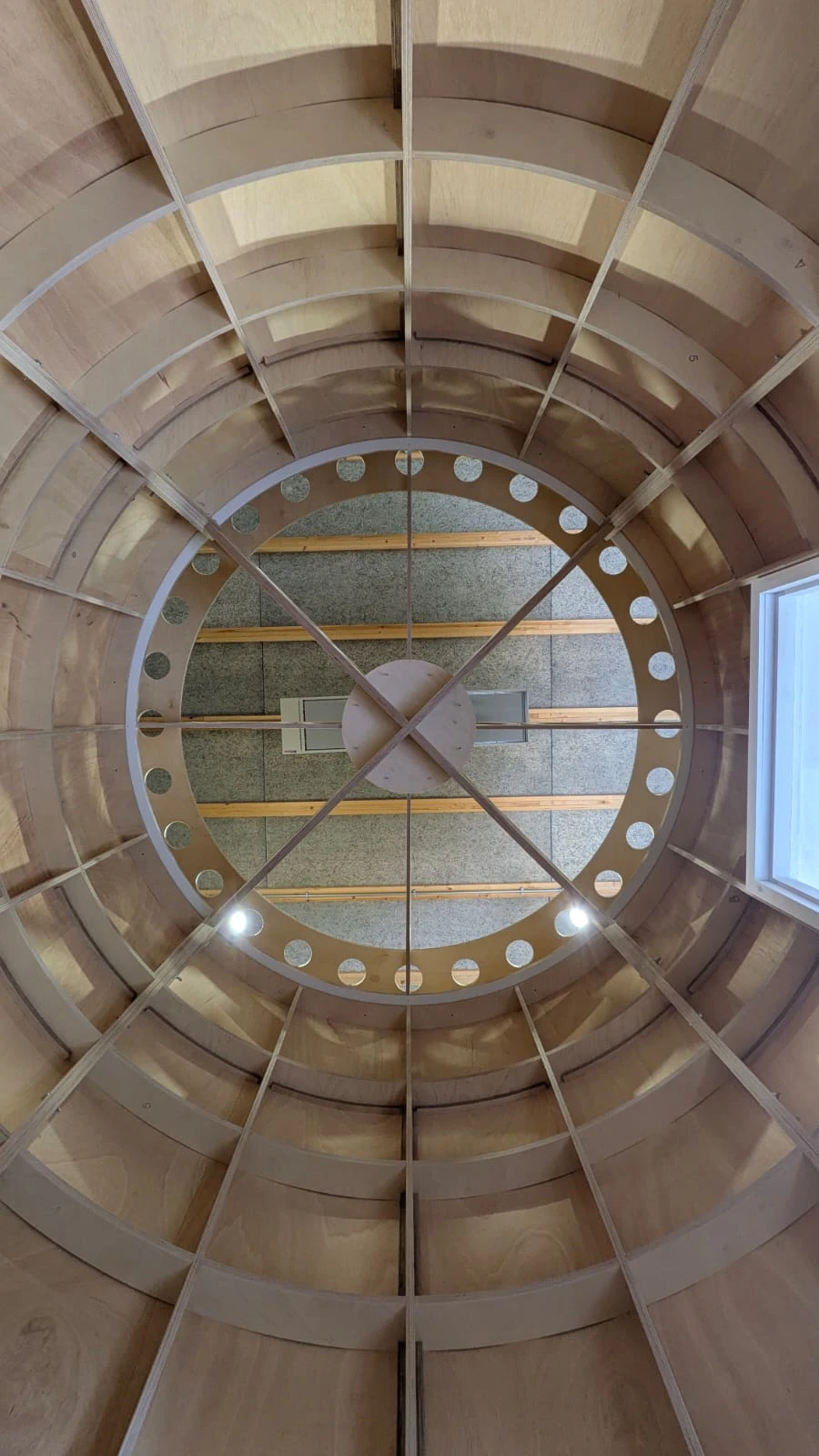
In general, when making sets, we blend the precision of CNC with robust and lightweight carpentry to achieve the outcomes our clients are looking for. But recently one of our clients, Positive Experience, asked us to fabricate a huge kiosk in the shape of a tub of Ice Cream as part of a brand activation to promote their new product. With time extremely limited (quote to delivery less than three weeks), we had an urgent need to streamline the fabrication process for such a complex build. Our solution was to spend a little more time designing and go entirely CNC built. This approach allowed us to get the build out in good time, but did come with some drawbacks as well
Precision
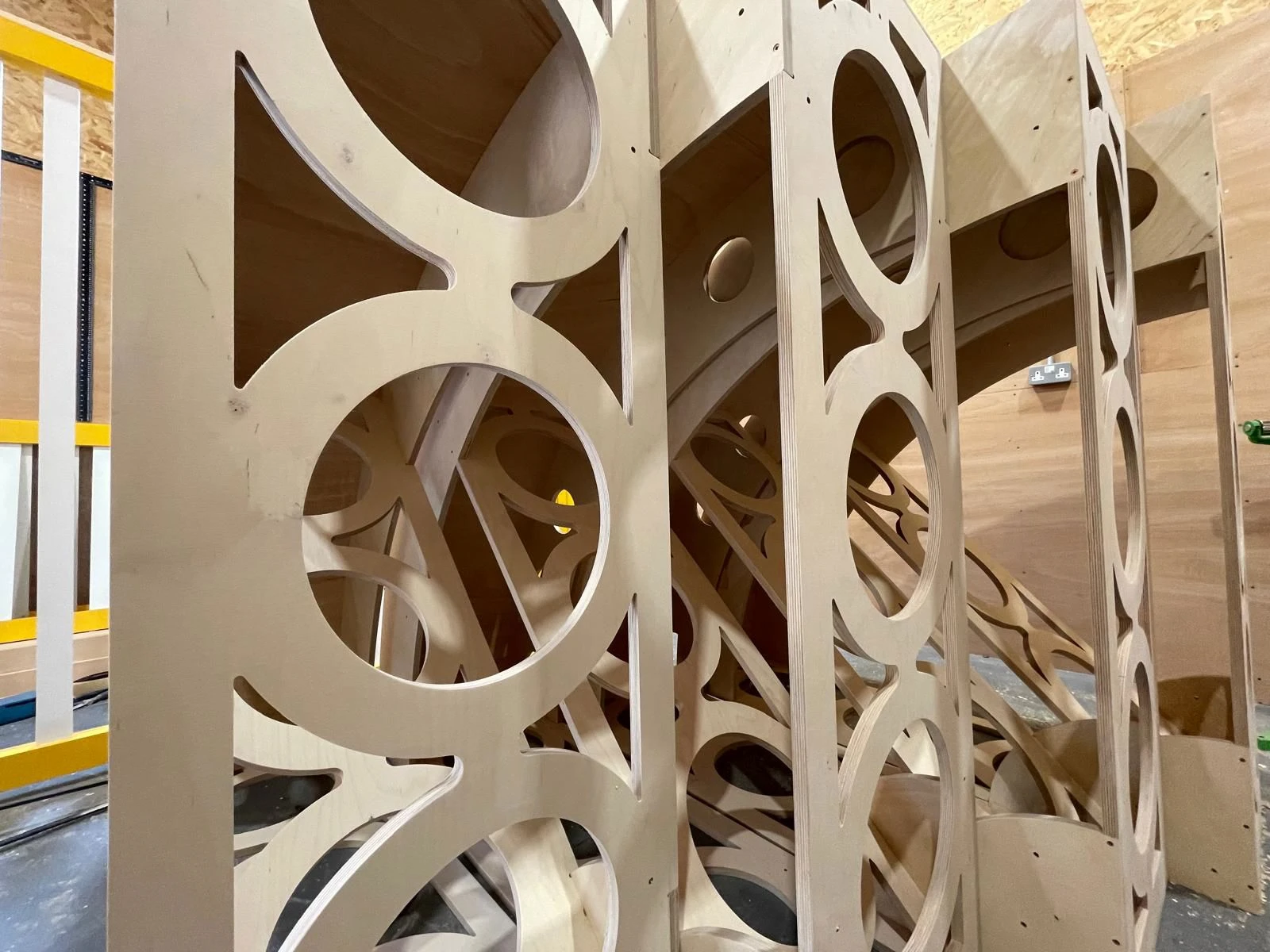
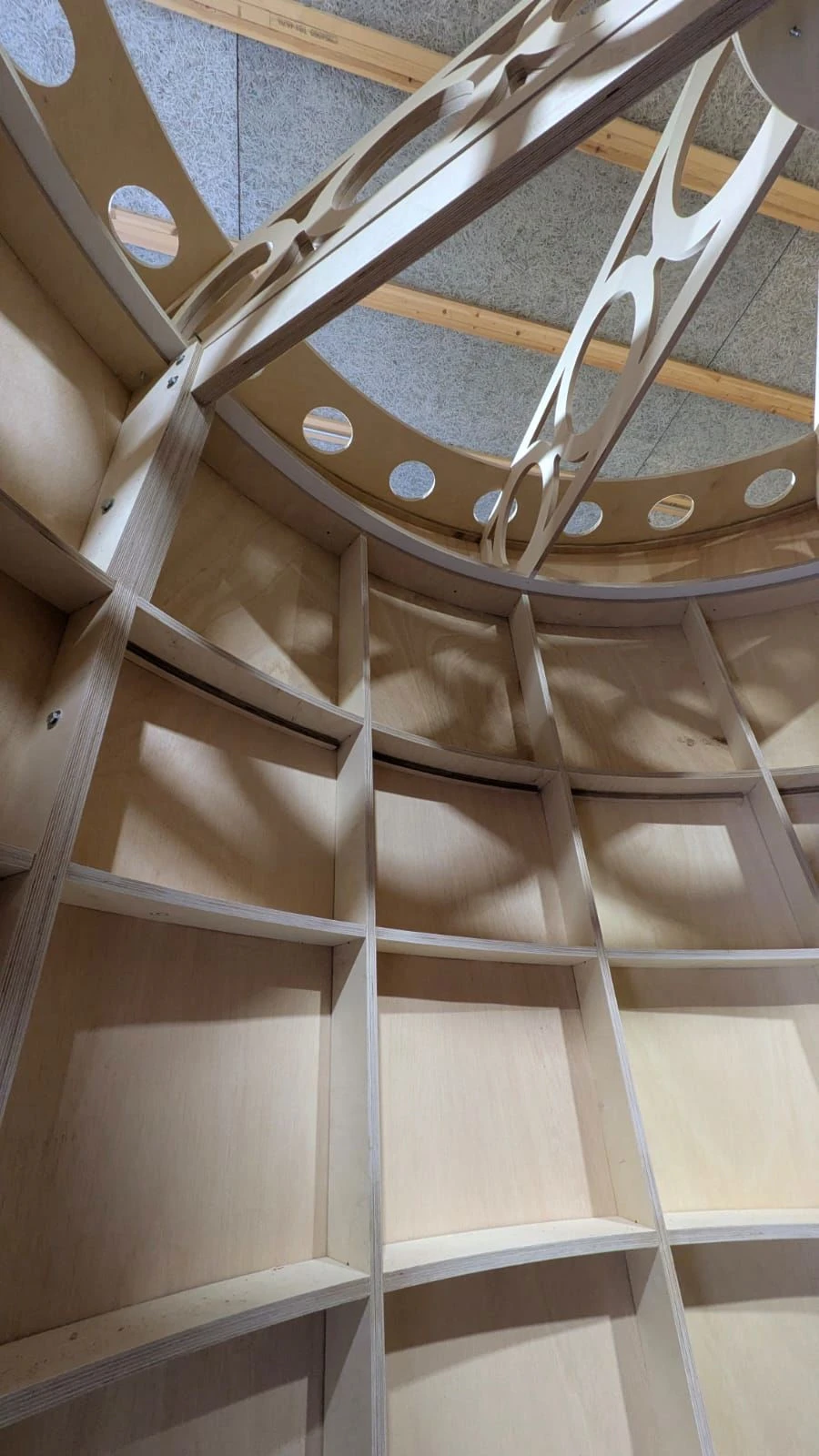
Making such a huge build entirely with CNC allows us to ensure that registration and alignment between connecting sections is perfect. With traditional carpentry, sometimes we end up battling with the timber. Grain density, thickness variations and even temperature can throw off measurements and lead to compound errors. While we can build in tolerances for these things, there's a often a lot of trial and error to get things right. Using CNC eliminates a lot of these problems and, in this case, we were able to build in millimetre accurate slots and rebates which allowed for really quick and easy assembly on site, without the worry that things wouldn't fit. But that does mean that almost every component, screw, bolt, slot and rebate needs to be thought out, meaning it's often significantly more expensive to design and leaves us with little margin for error.
Repeatable
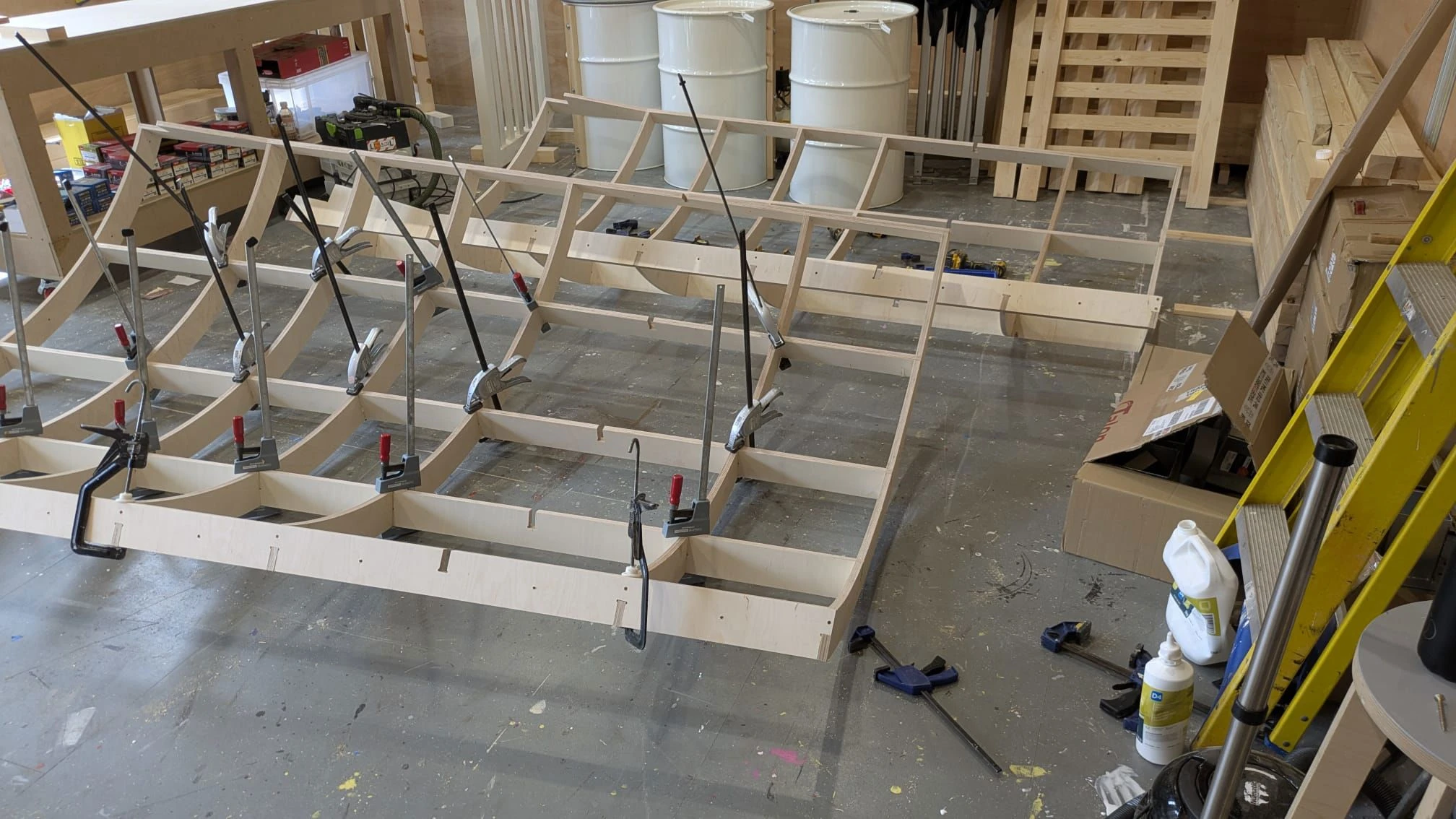
Once we have these components worked out and we've done some testing for tolerances, it does mean that we can roll out these features quickly and easily to other parts of the design. The modularity of this approach meant that once we had one quarter of the kiosk designed, we could duplicate and modify the other panels quickly in the knowledge that connection points would always line up because they were from the same initial drawing. This is, of course, something that can be done with traditional joinery and carpentry techniques, but requires the design and fabrication of jigs, slowing the process and potentially letting errors work their way in.
Workflow
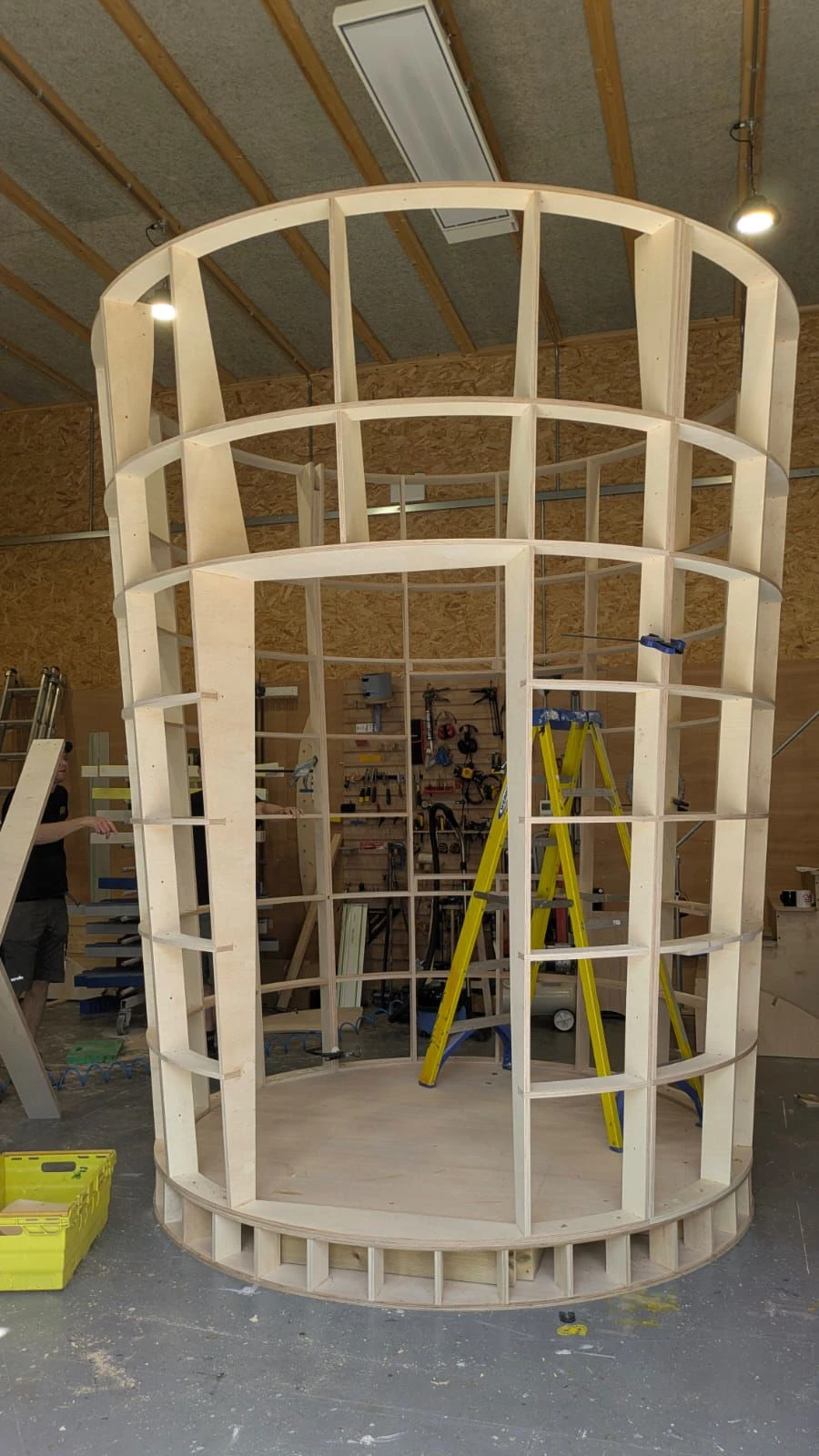
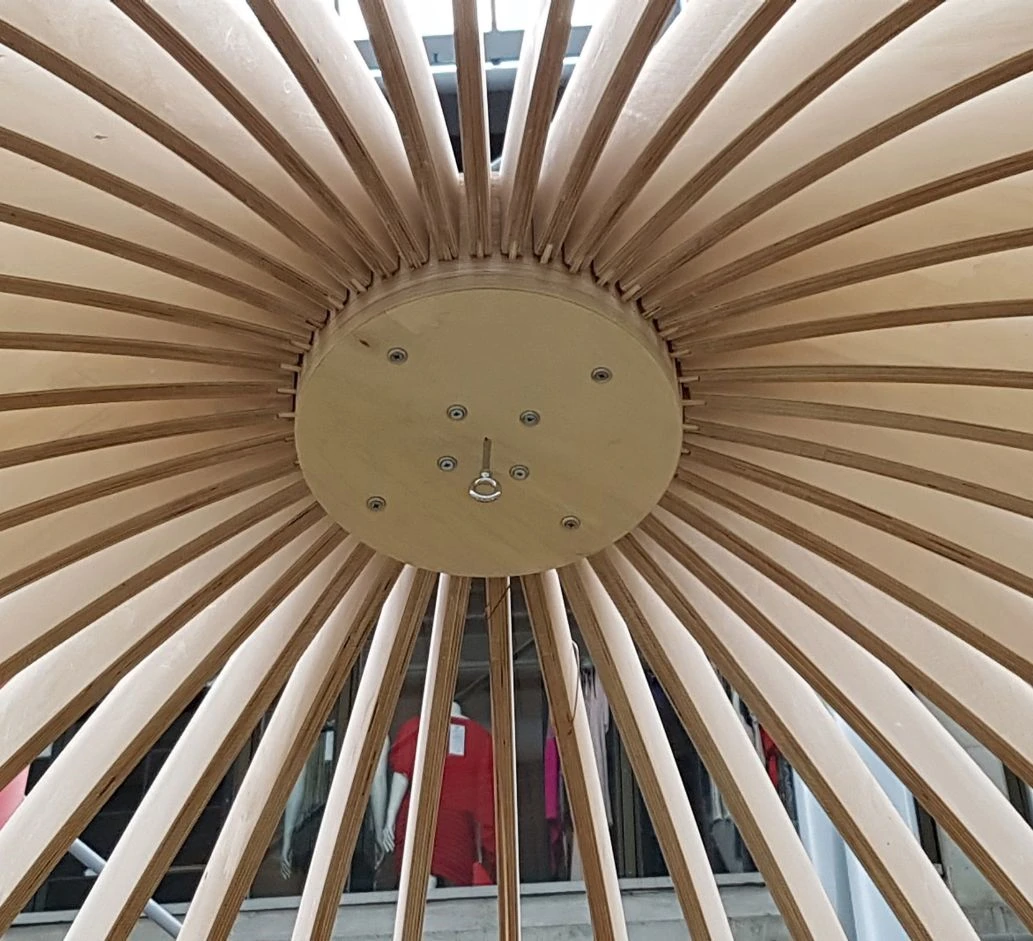
Once the design is complete and approved, the workflow is then rapid. In this instance, it was a case of cutting everything and beginning the process of slotting, glueing and screwing everything together. No measuring, cutting or sanding needed up to this point, and having the time to think about the design and construction in such detail meant that we even engraved codes onto each piece so we could identify their position. The carcass of the kiosk was cut and assembled within two days and the base and four quarters were connected the next. Once they were in place, we started working on the cladding (again CNC'd thanks to some excellent curve flattening software!). Some filling, sanding and a couple of undercoats later and we were ready to get the roof on (assembled separately).
Late in the process, the client decided that the hatch needed to be covered to secure the kiosk at night. We got quite lucky that this was a small addition and not part of the main structure. We did have to make some amendments to the main structure, but nowhere near as many as we may have done had this been a timber frame. It wasn't difficult to copy the same design as the rest of the build, though, and by this point the team were familiar with the structure that this extra flex together.
Reusable and modifiable
Making these last minute changes highlighted the fact that fabricating with CNC means that modifications and additions are really easy to make in the future, and we know they'll work first time. After the event, the client expressed a need for a storage rack. We were able to make a preliminary design for the kiosk to be stored in a really tight space, by utilising the pre-existing bolt holes to connect to an external framework. Making this build from timber would have increased the cost and would have likely meant additional modifications to the existing kiosk.
Fabricating solely with CNC for one offs isn't always the best solution. Sheet materials can be costly and the additional emphasis on design can be prohibitive and cause problems down the line where last minute modifications need to be made. But if you can hone your design from the start, and have a great team come together for the build, the results can be stunning.